

Incus: LXD's Community Fork, Two Years In
·
Updated:
Two years after Canonical's LXD CLA grab, Incus is shipping in Debian/Fedora/NixOS. Here's what changed, what works, and when to use it.
All the articles with the tag "linux".
Two years after Canonical's LXD CLA grab, Incus is shipping in Debian/Fedora/NixOS. Here's what changed, what works, and when to use it.

SteamOS 3.x is Arch Linux under the hood. Here's how to turn your Steam Deck into a portable sysadmin console for SSH, Tailscale, IPMI, and more.

systemd-homed turns your home dir into a portable LUKS-encrypted blob. Move it between machines, unlock with FIDO2, and own your own data.
procs adds color, Docker container awareness, and process tree views to replace ps. Here is exactly when switching is worth it in your daily Linux workflow.

Route only the traffic you want through a SOCKS5 proxy via ssh -D. Browser extensions, curl, git, ProxyChains, autossh, and DNS leak gotchas, no VPN needed.

Stream your own gaming PC with Sunshine + Moonlight. Low-latency NVIDIA NVENC, AMD VAAPI, Intel QSV, Tailscale remote play, and no monthly bill.
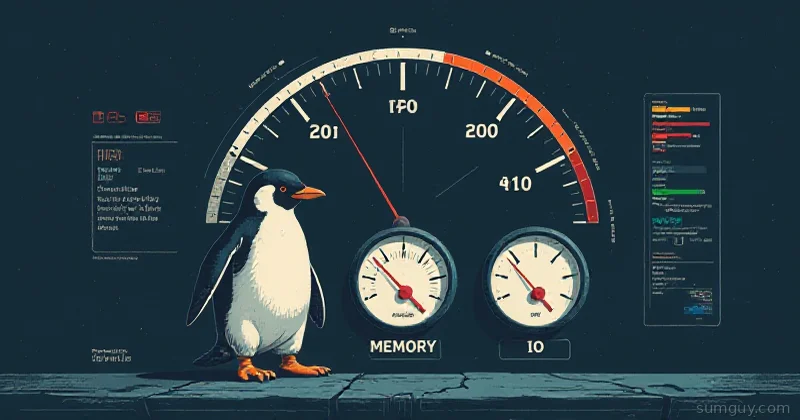
Linux PSI (Pressure Stall Information) exposes real CPU, memory, and IO stall percentages, here's why it beats load average for monitoring.

NUT (Network UPS Tools) monitors APC, CyberPower, and Eaton UPSes and triggers graceful shutdowns before your home lab eats a corrupt ZFS pool.
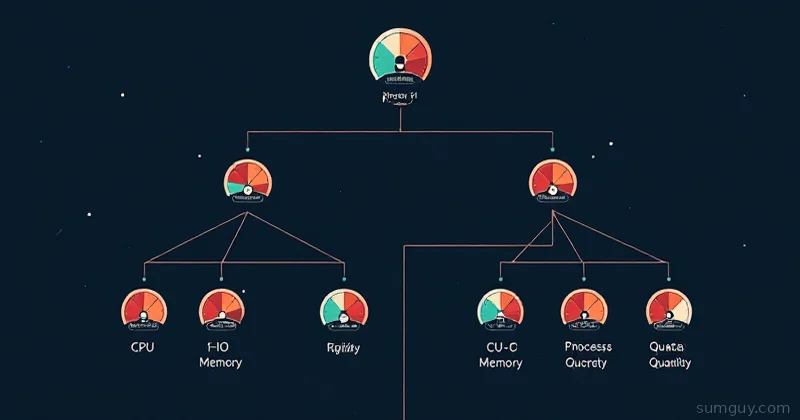
cgroups v2 unified hierarchy explained: read /sys/fs/cgroup/, limit CPU/IO/memory, use systemd slices and PSI pressure files.

Stop typing LUKS passphrases on every headless reboot. Tang + Clevis = NBDE: disks unlock automatically on your trusted network, stay sealed everywhere else.

runc, crun, and youki all run your containers, but they differ wildly in startup speed, language, and cgroups v2 support. Here's which to pick.
iptables is in soft retirement. Here's why the nft shim isn't a long-term plan and what direct nftables syntax actually buys you.