

NFS vs SMB vs SSHFS vs WebDAV for Home Lab
·
Updated:
Four file-sharing protocols compared for home labs: NFS speed, SMB compatibility, SSHFS convenience, WebDAV over HTTP, and which one to pick per use case.
All the articles with the tag "storage".
Four file-sharing protocols compared for home labs: NFS speed, SMB compatibility, SSHFS convenience, WebDAV over HTTP, and which one to pick per use case.

Linux filesystem comparison: ext4 for safety, XFS for scale, ZFS for snapshots, Btrfs for flexibility. Pick the right tool for your workload.

Compare cold storage tiers: Backblaze B2, Storj decentralized cloud, and Scaleway Glacier. Pricing, egress, restore times, and which backup service wins.

Why rsync.net is the no-BS off-site backup target for Restic and Borg: SSH-only ZFS, real Unix support, and what 1.5 cents per GB per month actually costs.

ZFS tuning for flash: ARC sizing, recordsize, autotrim, sync modes, and SLOG advice, plus why defaults written for spinning disks waste an NVMe pool.

Backup patterns that survive disasters: snapshot, replication, off-site. Retention, safety, and the 3-2-1 model done right.

The kernel docs still warn about it. The Btrfs wiki still warns about it. People still build it and lose data. Here's the write hole, why RAID 1/10 are fine, and what to use instead.

SnapRAID calculates parity on a schedule instead of in real time, so it mixes drive sizes and pairs with MergerFS. Best fit for media that rarely changes.

Creating a RAID array is the easy part. The drama starts six months later when one drive starts dying. Here's the survival guide for everything that happens after mdadm --create.
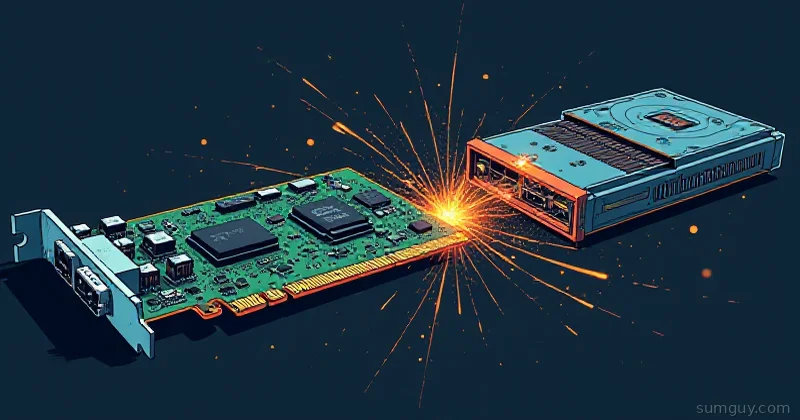
Hardware RAID controllers used to be necessary. Now they're often a liability. Here's when to flash that LSI card to IT mode, when to keep it, and why ZFS specifically refuses to share.
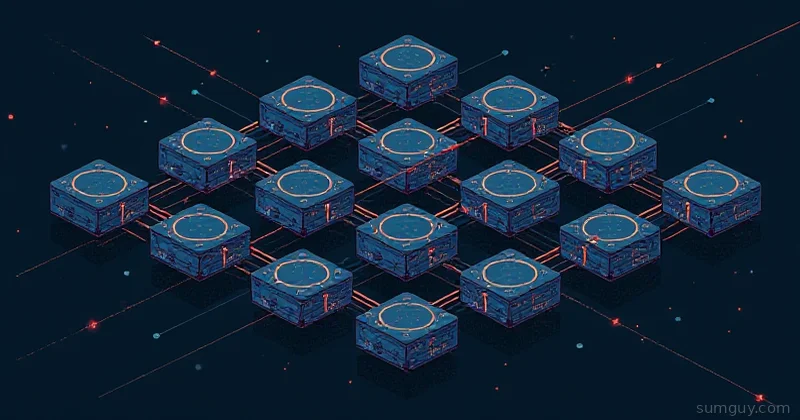
RAID-Z isn't just RAID 5 with a new name. Variable stripe widths, no write hole, and dRAID's distributed spares change the rebuild math entirely.

RAID 5 and 6 don't scale gracefully past 8 drives. RAID 50 and RAID 60 stripe across multiple parity sub-arrays so rebuilds only stress one group. Here's when nesting actually pays off.