Posts
Page 8 of 72
-
PgBouncer for Connection Pooling
Why PgBouncer matters for home lab Postgres, connection pooling modes explained, config examples, and when prepared statements break.
16 min read -
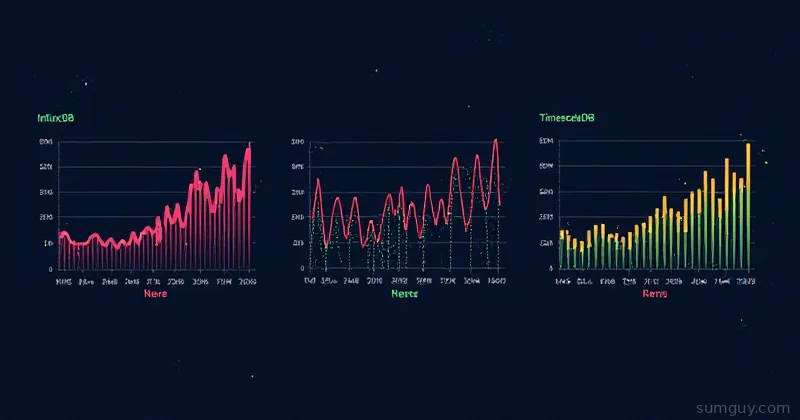
InfluxDB vs TimescaleDB vs VictoriaMetrics
Time-series database showdown. Cardinality limits, query language, retention policies, and which engine fits your monitoring stack.
18 min read -
SQLite Replication: Litestream and rqlite
Compare Litestream's continuous backup with rqlite's Raft replication for distributed SQLite. Learn when each fits your self-hosted setup.
14 min read -
PostGIS for Self-Hosted Mapping
PostGIS turns Postgres into a spatial database you own. Import OpenStreetMap with osm2pgsql, run spatial queries, and serve your own tiles through Martin.
11 min read -
pgvector for Local Embeddings
Run embeddings on Postgres with pgvector. Skip Chroma/Qdrant, tune IVFFlat vs HNSW indexes, build RAG pipelines locally.
14 min read -
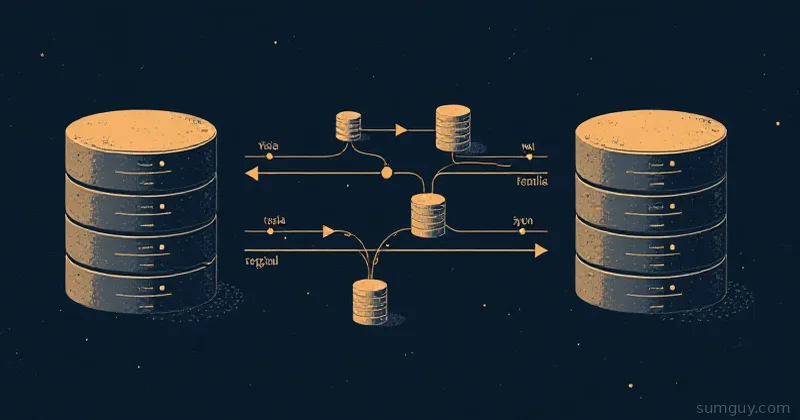
Postgres Replication: Streaming + Logical
Postgres replication at home: when you need read replicas, streaming vs logical replication explained, slot management, conflict handling.
14 min read -
Database Migrations: Liquibase vs Flyway vs Atlas
Compare Liquibase, Flyway, and Atlas for schema migrations. Declarative vs imperative, CI integration, and which suits your home lab.
· Updated:10 min read -
MariaDB vs MySQL in 2026
Fork futures: MariaDB's agile innovation vs MySQL's Oracle stewardship. Storage engines, JSON, replication, and why your choice matters now.
13 min read -
What Is an AI Harness?
What is an AI harness? A plain-language answer, plus 21 of them grouped by job: Claude Code, Codex CLI, Kilo Code, Goose, OpenHands and DeepSeek Harness.
20 min read -
SQLite for Self-Hosted Apps
Why SQLite is the secret weapon for self-hosted apps. WAL mode, concurrency limits, and when to actually leave it behind for Postgres.
7 min read -
Redis vs Valkey After the License Drama
Redis went source-available, then back to AGPL. When to migrate to Valkey or KeyDB, persistence and clustering options, and what matters for self-hosters.
· Updated:9 min read -
Postgres Backups: pg_dump vs pgBackRest vs WAL-G
pg_dump, pgBackRest, and WAL-G compared for Postgres backups. Point-in-time recovery, S3 setup, retention policy, and the restore drill to run today.
· Updated:10 min read