Posts
Page 9 of 72
-
Postgres in Docker: The Durable Setup
Docker volumes, version pinning, health checks, and tuning. A production-ready Postgres Compose template with init scripts and backup strategy.
· Updated:10 min read -
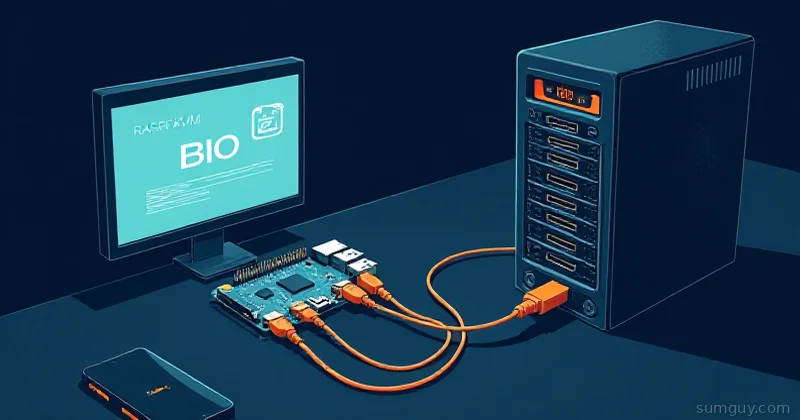
The KVM-over-IP Question: PiKVM vs JetKVM vs DIY
Remote console without IPMI: compare PiKVM, JetKVM, and DIY solutions, hardware costs, BIOS access, latency, and when to pick each.
· Updated:11 min read -
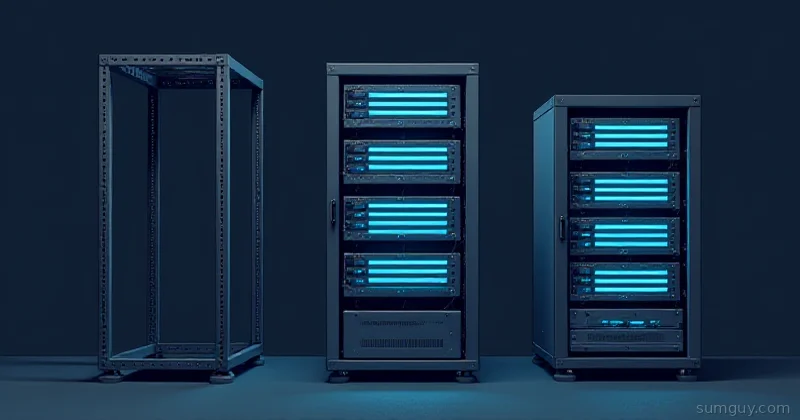
Rack Choice: Open Frame vs 4-Post vs Wall-Mount
Pick the right rack for your homelab: open frame vs 4-post vs wall-mount. Cable management, noise, and space trade-offs explained.
12 min read -
2.5GbE / 10GbE on a Budget
Used SFP+ gear turns 10GbE from a $5k fantasy into a $200 build. Mellanox NICs, the MikroTik CRS305 switch, DAC cabling, and where the savings stop.
· Updated:10 min read -
HBA Cards for ZFS
Pick the right IT-mode HBA for ZFS: LSI 9211-8i vs 9300-16i vs 9400 series. Flash firmware, avoid RAID controllers, navigate expanders and PCIe lanes.
9 min read -
IPMI / iDRAC / iLO for Headless Home Lab
Remote management 101: IPMI, iDRAC, iLO basics, network isolation, security, and redfish. Why BMC matters when you can't reach the power button.
9 min read -
Power Math: Watts, Heat, and Your Electric Bill
Calculate true energy costs: watts, kWh, BTU output, and 5-year TCO for homelab hardware swaps. When efficiency pays back.
8 min read -
Cheap Managed Switches That Don't Suck
Used enterprise-grade managed switches under $100: Aruba, Brocade, MikroTik picks, VLAN setup, wattage, and gotchas for home lab networks.
· Updated:10 min read -
Quiet Home Lab: Fan Swaps and Undervolting
Noctua fans, IPMI curves, and undervolting techniques to make rackmount servers bedroom-quiet without thermal compromise.
· Updated:9 min read -
UPS Sizing Without Overpaying APC
Master UPS sizing math: VA vs watts, runtime calculations, battery replacement costs, NUT monitoring, and when EcoFlow beats enterprise hardware.
11 min read -
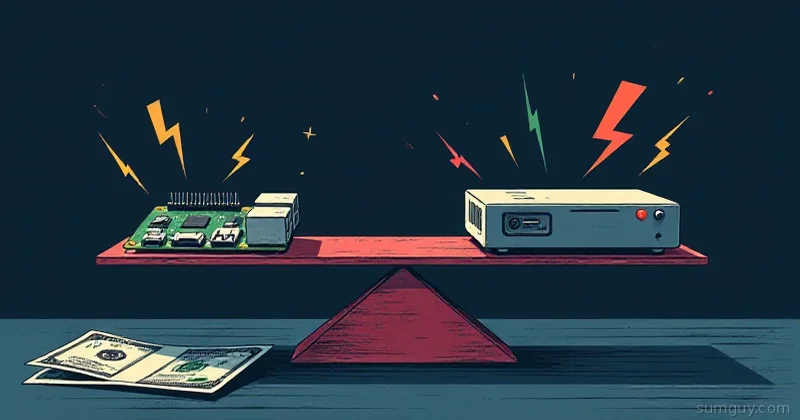
Raspberry Pi 5 vs Mini PC for Home Lab
Raspberry Pi 5 vs Mini PC: when ARM wins, real costs with NVMe HATs, power consumption, performance, and ecosystem trade-offs for your home lab.
· Updated:10 min read -
Mini PCs for Home Lab: N100 vs N305 vs Ryzen 7000
Head-to-head benchmarks: Intel N100/N305 vs Ryzen 7000 mini PCs. Power consumption, NVMe slots, RAM, transcoding, virtualization. Which one to buy.
· Updated:9 min read