
ArgoCD vs Flux: GitOps, When Your Git Repo Is the Source of Truth
ArgoCD vs Flux for Kubernetes GitOps: compare UI-focused ArgoCD with automation-first Flux CD. Sync workflows, install examples, and when to use each.
All the articles with the tag "devops".
ArgoCD vs Flux for Kubernetes GitOps: compare UI-focused ArgoCD with automation-first Flux CD. Sync workflows, install examples, and when to use each.

Restic, Borg, and Kopia all deduplicate and encrypt, but differ on backends, compression, and UI. Pick the right backup tool for your Linux home lab.

Learn Docker logging from basics to centralized stacks. Master docker logs, logging drivers, log rotation, Loki+Grafana, and Fluentd setup with practical examples.

HashiCorp Vault tutorial: KV v2 secrets, AppRole auth, dynamic database credentials that auto-expire, a PKI certificate authority, and auto-unseal with cloud KMS.

Drone CI went source-available, so its community forked it into Woodpecker CI. Compare pipeline syntax, licensing, Gitea support, and which one to run.

Learn how lazydocker and dive make Docker manageable from your terminal. TUI dashboards, image layer analysis, CI integration, and optimization tips.

Docker Compose reads env vars from three places and only one wins. The precedence order, the .env gotcha, when your shell wins, and how to debug it.

Podman skips the root daemon Docker needs. Quadlets let systemd manage containers natively, with auto-updates and health checks, for self-hosting without Compose.
Nextcloud advanced configuration: Redis caching, federation setup, automated backups, occ command deep dive, LDAP, external storage, and PHP-FPM tuning.

Stop running Docker containers like it's the Wild West. Learn 15 critical Docker security mistakes and practical fixes to harden your containers today.
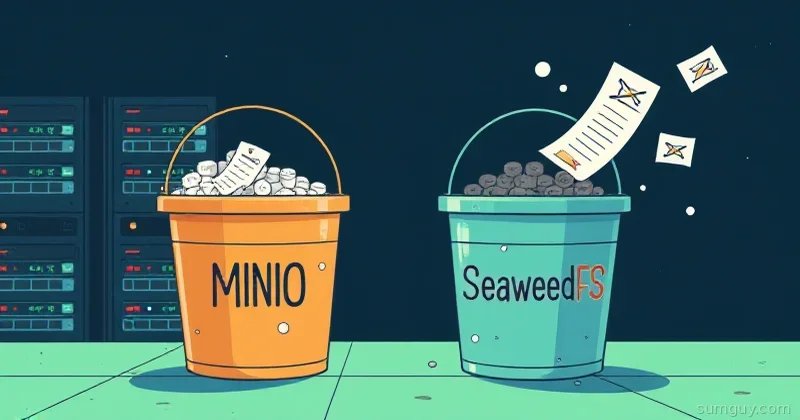
MinIO vs SeaweedFS compared for self-hosted S3 storage: setup, performance, Docker Compose configs, S3 API compatibility, and which one fits your home lab or production workload.
Scan your containers and dependency trees with trivy, grype, syft, and osv-scanner. Generate SBOMs and catch CVEs before a supply chain attack catches you.