

Alertmanager Routing Trees That Don't Lie
Master Alertmanager routing trees: severity labeling, inhibition, grouping, and multi-receiver logic for reliable home lab alerts that work at 3 AM
All the articles with the tag "monitoring".
Master Alertmanager routing trees: severity labeling, inhibition, grouping, and multi-receiver logic for reliable home lab alerts that work at 3 AM

Distributed tracing with Tempo and Grafana for self-hosted multi-service stacks. OpenTelemetry, sampling, exemplars, and when tracing actually matters at home scale.

Mimir for long-term Prometheus storage. S3-backed, horizontally scaled alternative to Thanos for capacity planning and compliance.

Promtail vs Vector: which log shipping agent fits your setup? Loki's purpose-built simplicity or Vector's transform power and multiple sinks.

Prometheus federation for multi-site home labs: hierarchical scraping, cross-cluster aggregation, federation vs remote_write, practical config.

SigNoz gives you logs, metrics, and traces in one ClickHouse-backed app. The Grafana LGTM stack gives you four. Here's how to pick the right one.

btop, htop, and bottom compared on features, memory footprint, and personality, find out which terminal process monitor earns a spot in your daily toolkit.
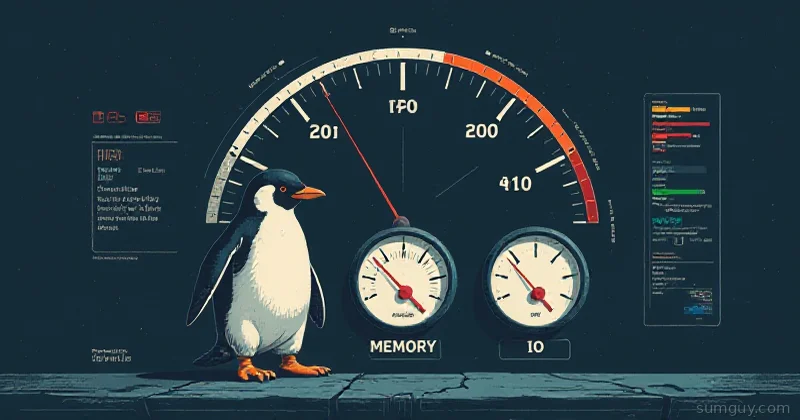
Linux PSI (Pressure Stall Information) exposes real CPU, memory, and IO stall percentages, here's why it beats load average for monitoring.
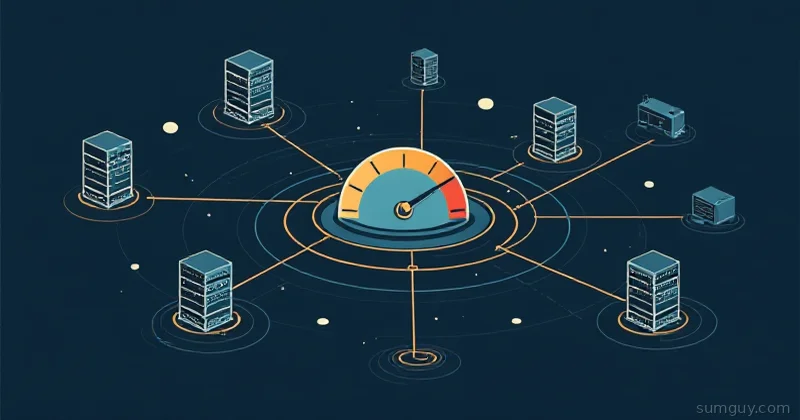
Beszel gives you Prometheus-style multi-host monitoring via a single hub container and tiny Go agents, no Grafana, no exporters, no yak shaving.

When Prometheus is overkill: a push-based metrics stack for IoT, smart home, and homelab data. Telegraf, InfluxDB, and Grafana, working together end-to-end.

Two OpenTelemetry-first observability platforms backed by ClickHouse. Here's how SigNoz and Uptrace compare for self-hosted homelab and small-team use.

Disks fail. SMART tells you when. Here's how smartctl and smartd actually predict failure, and the attributes that matter (most don't).